The Presidents' Days of our Discontents

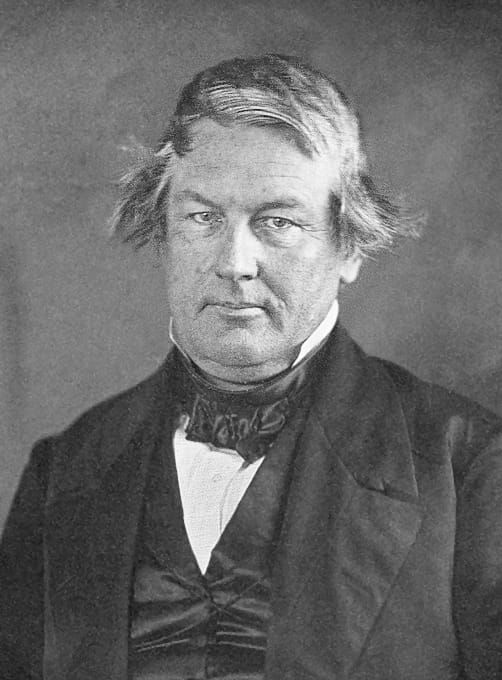

The thought of Presidents' Day moved me immediately to "Time to buy a new mattress! Or a new car! Or if you have a car, new tires!" Then, a hazy recollection from elementary school and junior high: in art class, we were given the opportunity to participate in a town-wide Presidents' Day-themed art contest sponsored by a local car dealership. The three winners would have their drawings published in the local newspaper. Some details are lost to my memory - were we actually child labor producing advertisements, cutesy drawings of George Washington with an axe saying, "I cannot tell a lie, the best deals are at Jones Oldsmobile!" or the ubiquitous (and now retired) profile of Abe Lincoln declaring that there was no need to pinch pennies for a great car? I was probably enough of a nerd at that point that I drew artistic inspiration from some presidential deep cut. I know I never won, but I like to think I would've had a shot with a crude drawing of Millard Fillmore saying, "Jones Oldsmobile KNOWS NOTHING of high prices. Get a deal you WON'T FORGET today!"
What a weird mix of folk tales, civic virtue, and good ol' capitalism. I don't know if this particular contest was unique to my hometown and/or the 1980s, or a widespread practice spanning generations, but I suspect the latter. I'm curious to know if contests like this still exist, or if they vanished between the media consolidations that, hand in hand with the advent of the internet, have decimated small-circulation newspapers. Today I feel like untangling some of these strange threads that make up the civic mythologies and rituals of youth, especially as they relate to the presidency, that have shaped me.
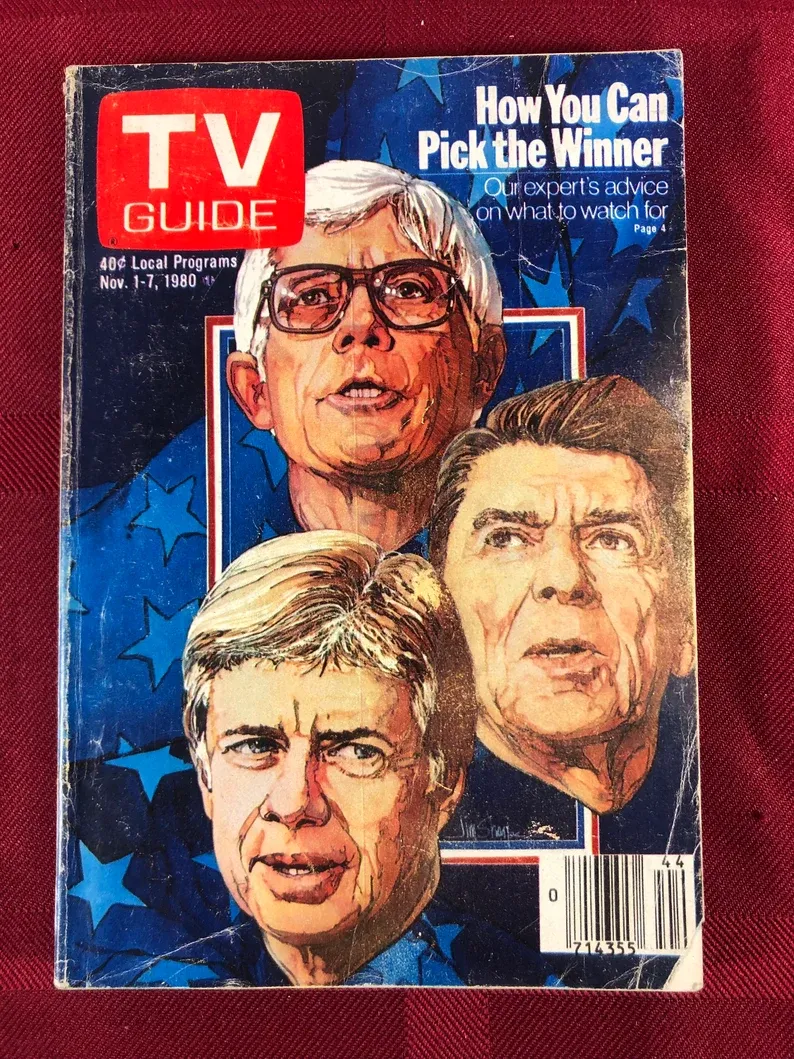
It won't surprise anyone that I earnestly lapped up our civic religion from a young age. I don't remember a time when I didn't know those presidential tall tales/civic morality plays, likely the seeds that grew into a prolonged interest in public service and history. This was nurtured mostly as a transplant in the "New South" of Tennessee, especially the East Tennessee research hub in which I spent most of my youth, a bubble of self-styled forward-thinking worldliness and education with southern charm, sitting uneasily alongside the Old South.
This tension between Old and New played out in all the weird ways you'd think. The public school curriculum, for example: in Tennessee History (from elementary and junior high), I recall learning about the Trail of Tears (a shameful episode in isolation, and it was very much studied in isolation), slavery (thank goodness that's all taken care of!), and the civil rights era (there may have been things that happened in between these last two items). I also recall the curriculum being kind of competitive about the number of native son presidents (in a four-way tie for fifth place with three - thanks Al Gore!) and how the most venerated of the three was/is Andrew Jackson, famous for winning a battle after the war was over and a noted, enthusiastic genocider and slaver who still looks at you from the $20 bill. Rounding us out are James Polk (went to war with Mexico to expand slavery) and Andrew Johnson (granted amnesty to Confederates; impeached, but acquitted; Dunning School rehab project).
[I'm actually surprised that, depending on the day, of the four states with three presidents, I might rank Tennessee's trio as second-worst above California (Hoover, Nixon, Reagan). Illinois (Lincoln, Grant, Obama) is obviously the standout, and Texas probably elevates to second despite both Bushes because of LBJ.]
The tension of New and Old was most played out in a very complicated relationship with the United States Civil War, a presence which was completely insinuated into civic life growing up. I have visited soooooo many Civil War battlefields. Hell, I still visit them - they make for nice hikes, and I find them fascinating as examples of how we present and contest historical memory. Most recently, we stopped at Gettysburg last summer to see the place where Lincoln delivered the Gettysburg Address (unsurprisingly, I got earnest chills being there and trying to imagine the horror and grief those words were meant to address, all the more pointed because it was also the day the OBBBA (retch) was signed into law):
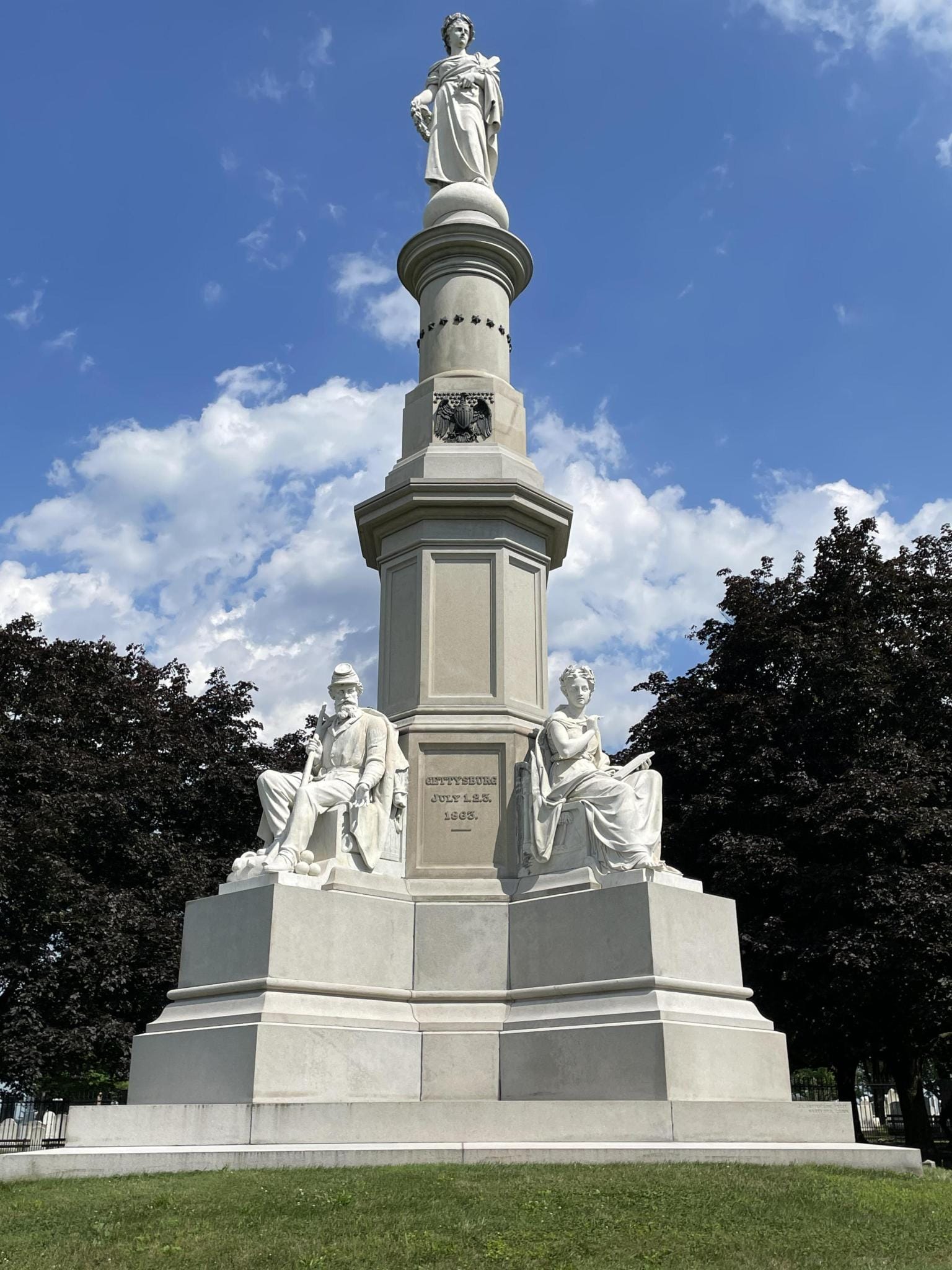
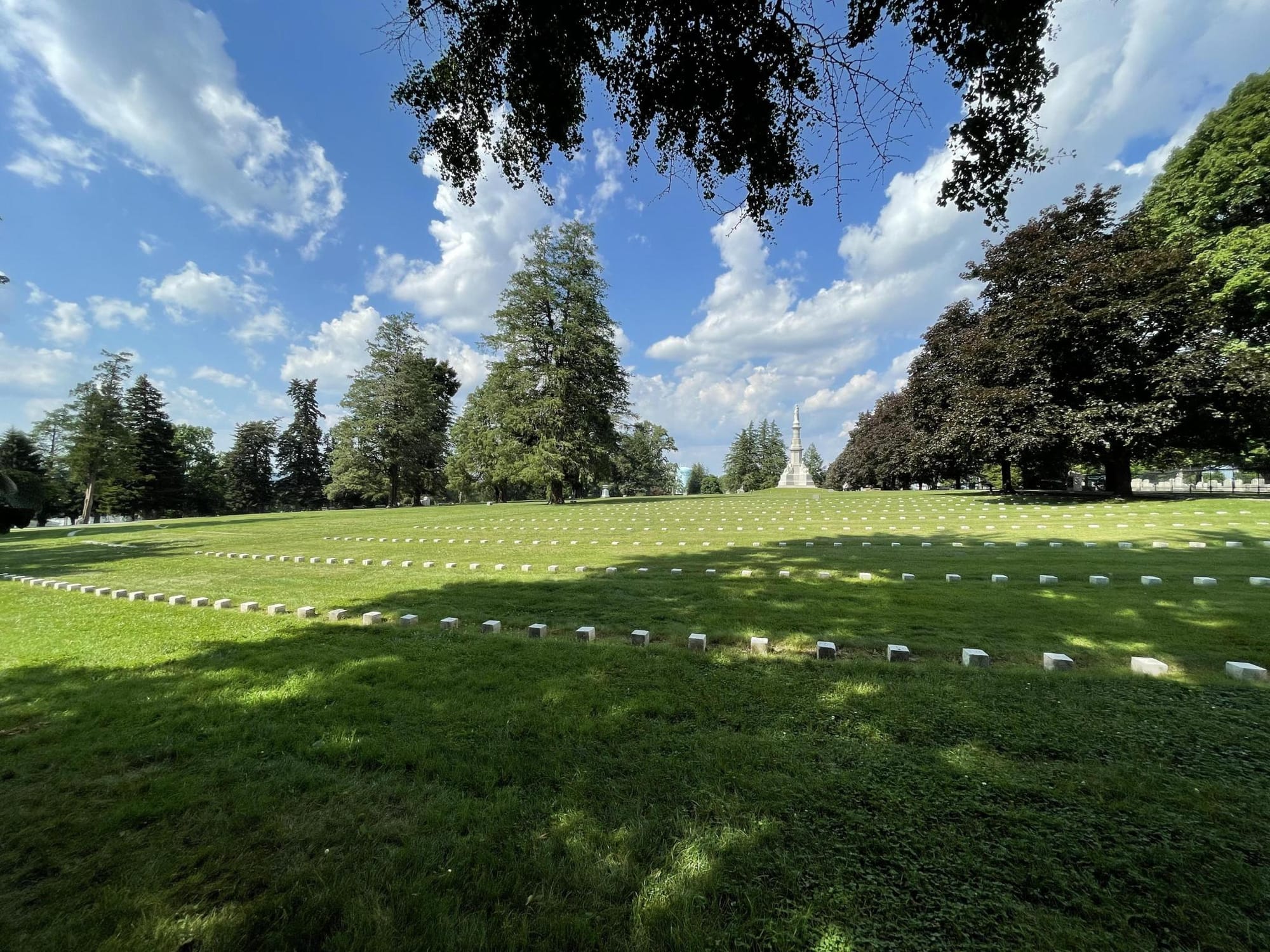
Gettysburg National Cemetery, July 4, 2025. Photos by C. Goff.
They're fascinating places given the knowledge and tools of interpretation I have available to me. They're solemn. They're horrifying. They're tragic, Sometimes they're even hopeful. All of these insights came to me much later in life. Those first visits though, typically on a Boy Scout trip, I didn't have the tools to understand the effects of normalizing and tolerating Confederate nostalgia, even if I didn't indulge in it, nor did I have any real understanding of the history of Confederate memorials and Jim Crow. It was all just presented as history, and I was an eager student. My first visit to Gettysburg was on my first away-from-home Boy Scout Summer trip, I want to say in 1984, where we also visited DC, Baltimore, Mount Vernon, the World Boy Scout Jamboree, and - the last stop on the return trip - the tomb of Robert E. Lee at Washington & Lee College in Lexington, VA. I'm kind of stunned that all this happened, as I'm sitting here thinking about it in 2026. As I'm writing this, it's strange to think that my experience at the time was of curiosity, interest, and having fun with my friends instead of moral abhorrence. It's uncomfortable to confront how much of that has been carried with me.
History is complicated. Presidents' Day is not. At its simplest, it's a civic holiday honoring the birth of the two who are without question are most venerated presidents. At its most crass, it's an on-brand conflation of consumerism with civic duty. At its most pernicious, it's an extension of the moral authority of our greatest president's most noble actions to any occupant and action of the office. I suppose I'll just leave all of this introspection this day inspired by saying I'm grateful for the day off and for the fodder for a writing prompt. I hope you did not spend one moment of your Monday ruminating on Presidents of the United States. That goes doubly for those in Canada.
Also-ran
I pulled out the bubblegum psych classic that I took off my parents' hands (pictured below) last weekend. It's a fun, campy listen ("I'm a Tangerine"? C'mon.), but what caught my eye was the album jacket blurb from noted culture vulture Vice President Hubert H. Humphrey, fresh off his 1968 presidential campaign loss to Dick Nixon, which is a selling point of some kind.
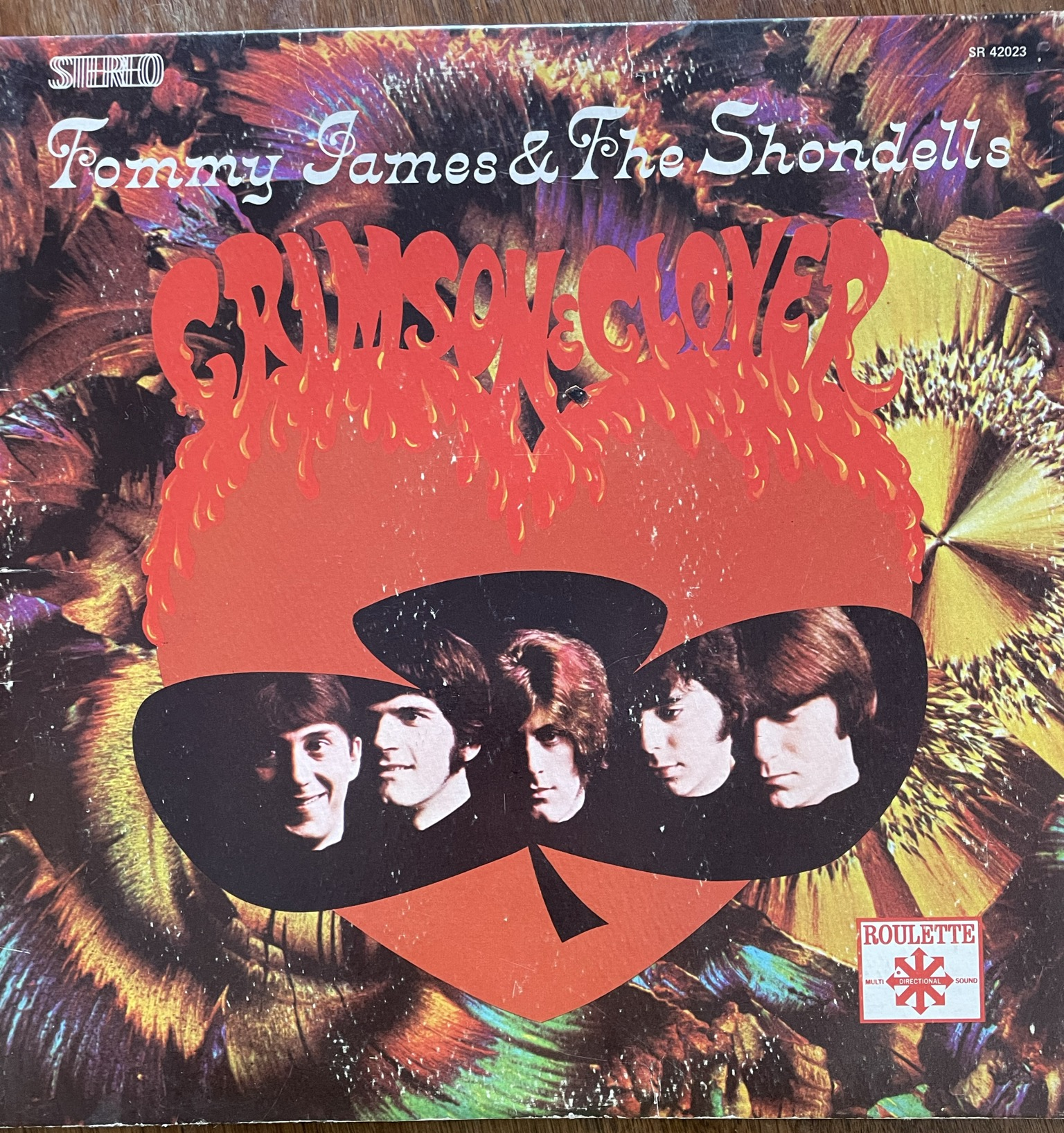
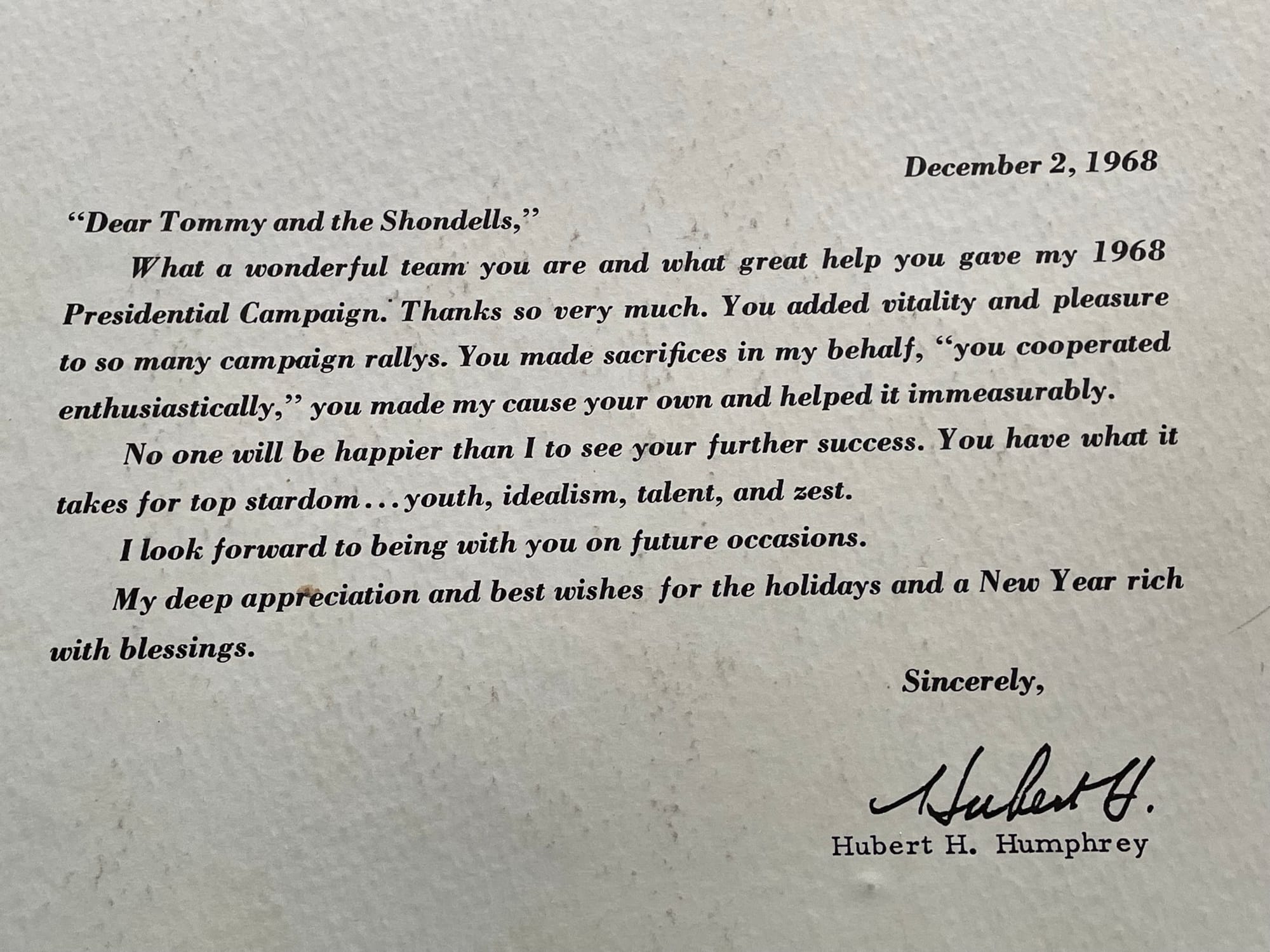
Front cover a blurb from the back cover of Tommy James and the Shondells' Crimson and Clover
"Dear Tommy and the Shondells,"
Thank you for being so very groovy and not coming to Chicago to drag me over Vietnam. Sucks it didn't work out.
If you prefer your psych rock with fewer Establishment endorsements and more electric Miles-esque improvisational weirdness, may I suggest Brooklyn's Emergency Group?
One last thing on the moral authority of presidents
Last year Haymarket Books published the memoir of Karen Lewis (I Didn't Come Here to Lie), former president of the mighty Chicago Teachers Union and labor movement giant. It's a wonderful read (for those who have had the good fortune to listen to Karen speak, it's a joy to "hear" her voice on the pages), and it's inspirational to see the distances we've traveled in her wake (and frustrating to see the miles we still have to go). If you have some familiarity with the organizational politics in which Karen was embedded, her hilarious takes of some characters within that world are worth hitting the index for. Highly recommended if you need an engaging read that's provides a model for how ordinary people can take on concentrated power and win.
Taco Night
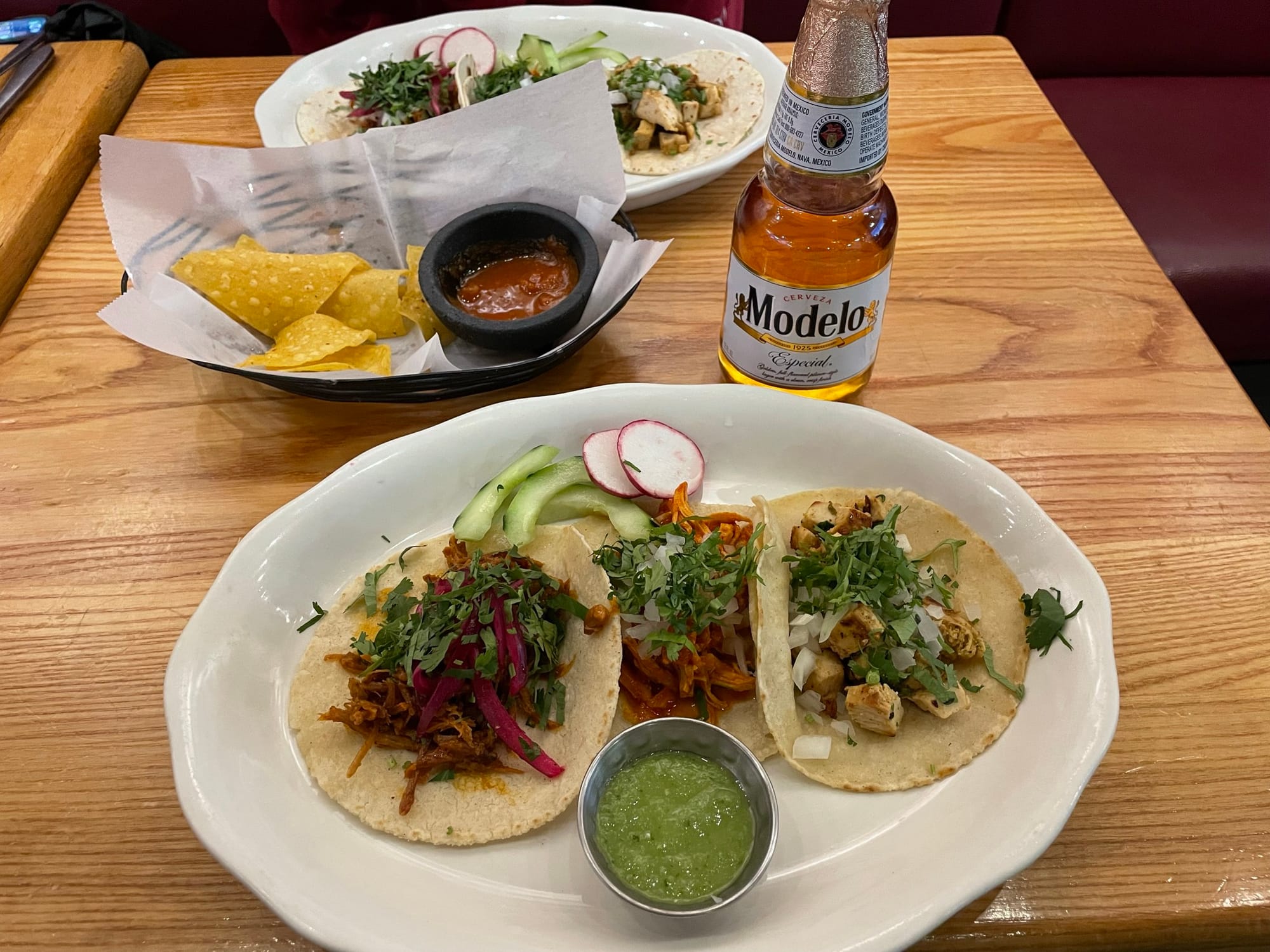
Sarah and I figured that happy hour at our local taqueria was the appropriate call to acknowledge the day. Prosecute ICE.